Independent information website. Not a government or official tourism site.

Home / The Regions of Nova Scotia

The Regions of Nova Scotia

Seven distinct parts of one province, from the capital's harbour to the highlands of Cape Breton.

Finding your way around

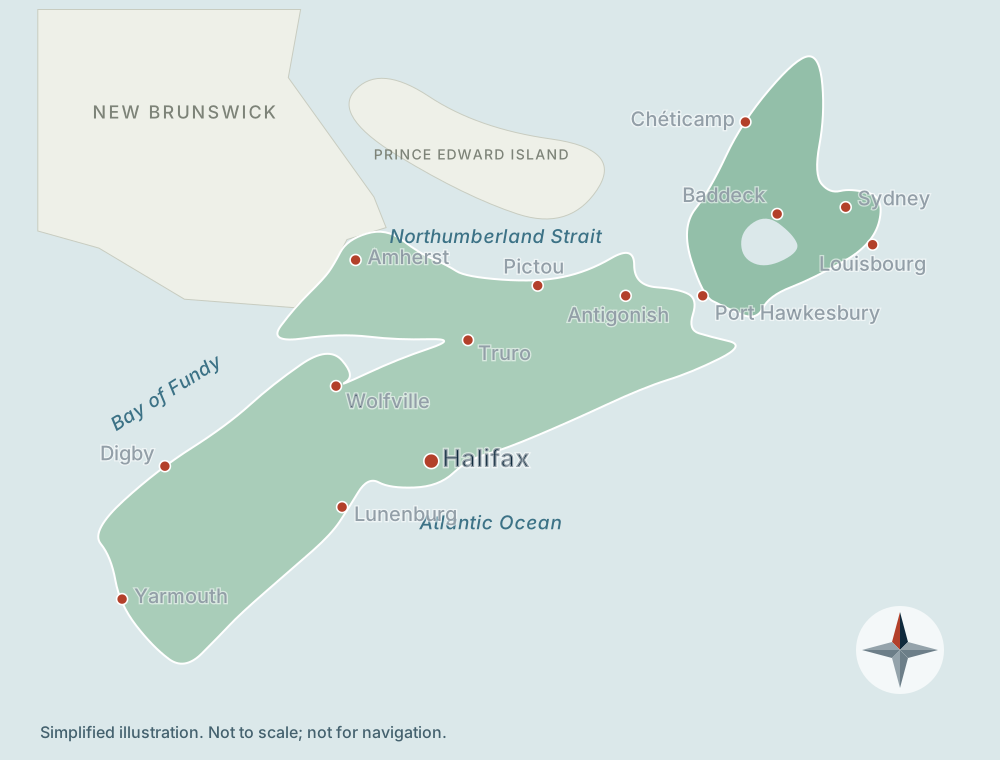
Nova Scotia is made up of a long mainland peninsula and Cape Breton Island to the northeast. Halifax sits about midway along the Atlantic coast. Distances look small on a map, but the coastline winds a great deal, so a route along the shore takes much longer than one inland.

The seven regions below follow the divisions commonly used for travel in the province. They are a convenience rather than formal administrative boundaries.

Simplified map of Nova Scotia showing the mainland, Cape Breton Island and major towns
Simplified illustration only. Not to scale and not for navigation.
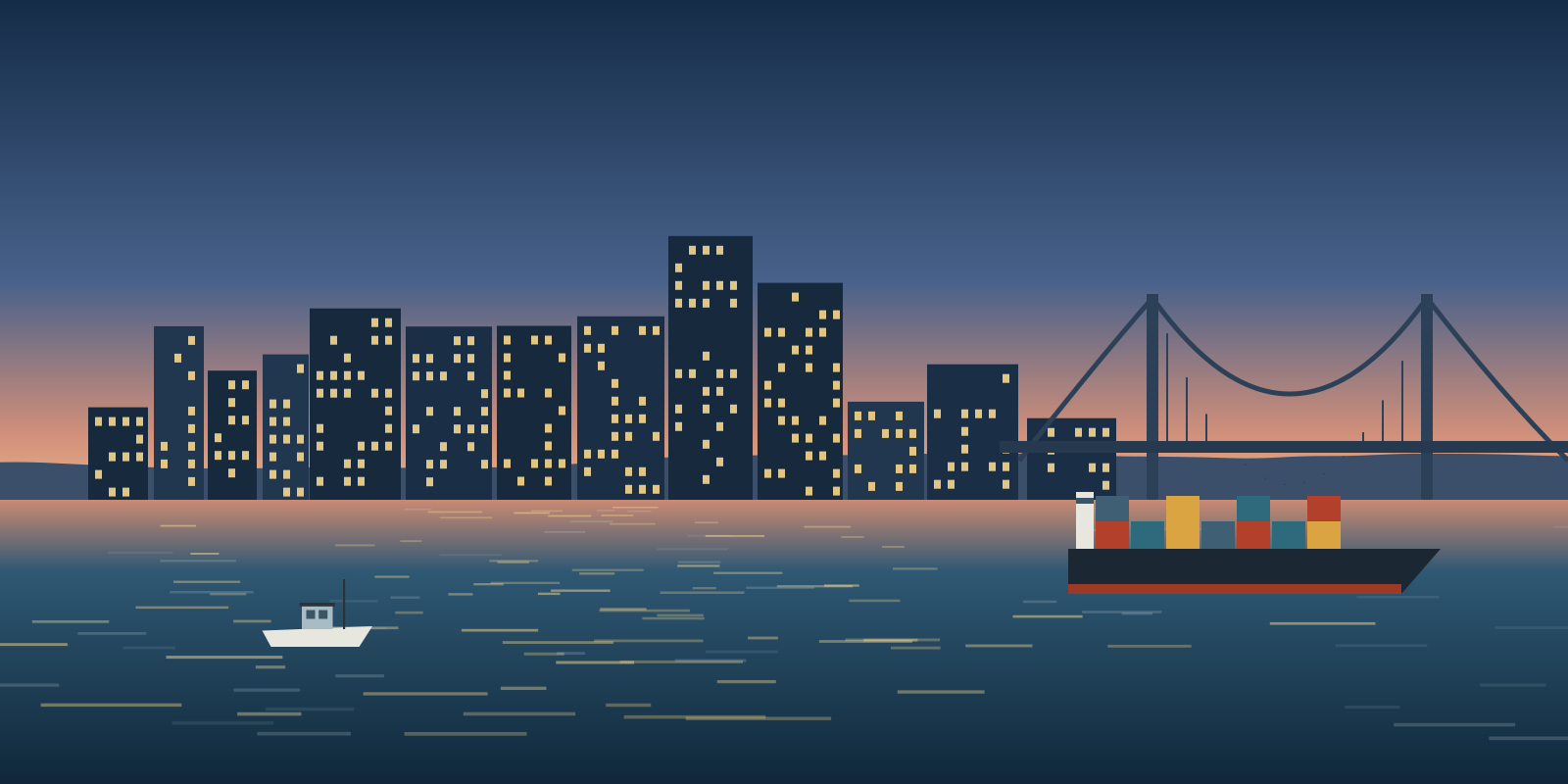
Illustration of a harbour city skyline at dusk with a suspension bridge and container ship

Halifax Metro

The provincial capital and Atlantic Canada's largest urban centre, built around one of the world's great natural harbours. Close to half of all Nova Scotians live in the Halifax Regional Municipality, which takes in Halifax, Dartmouth and a long stretch of rural coast and countryside.

Highlights

  • Halifax Citadel National Historic Site
  • The harbourfront boardwalk
  • Canadian Museum of Immigration at Pier 21
  • Maritime Museum of the Atlantic
  • Halifax Public Gardens
  • The harbour ferry to Dartmouth
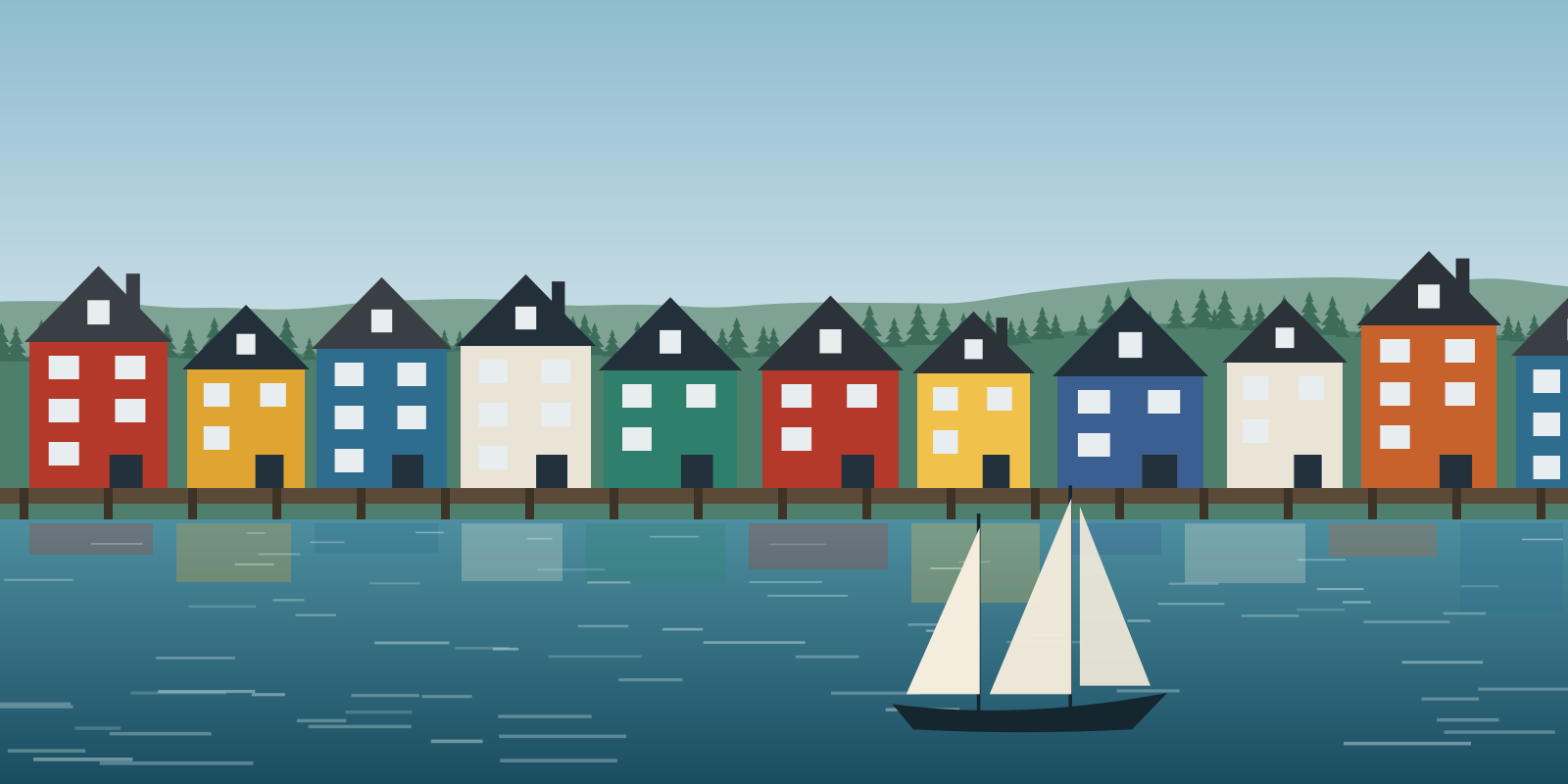
Illustration of colourful wooden waterfront houses with a schooner on the water

South Shore

A deeply indented coast of fishing villages, sailing harbours, white-sand beaches and granite headlands running southwest from Halifax. It holds some of the province's most recognizable places, including Peggys Cove and the UNESCO-listed Old Town Lunenburg.

Highlights

  • Peggys Cove and its lighthouse
  • Old Town Lunenburg
  • Mahone Bay waterfront
  • Kejimkujik Seaside
  • Liverpool and the Queens County coast
  • Black Loyalist Heritage Centre, Birchtown
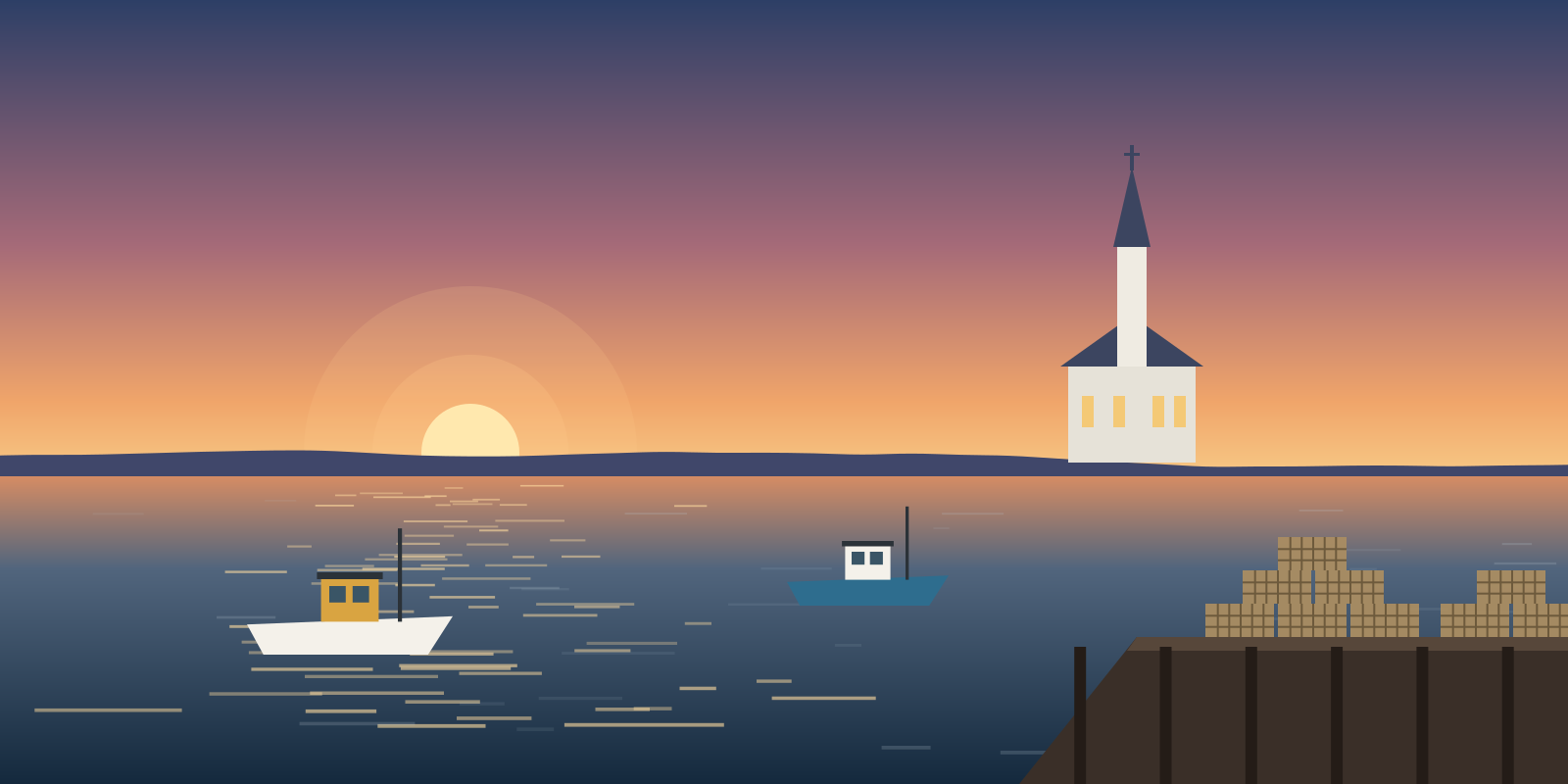
Illustration of a fishing wharf at sunset with lobster traps, boats and a white wooden church

Yarmouth & Acadian Shores

The southwestern tip of the province, where working fishing harbours sit beside long-standing French-speaking Acadian communities. The Acadian language, music and food remain part of daily life along the Baie Sainte-Marie and in the Pubnico area.

Highlights

  • Cape Forchu lighthouse, Yarmouth
  • Église Sainte-Marie, Church Point
  • Le Village historique acadien, West Pubnico
  • Yarmouth's Victorian streetscapes
  • Mavillette Beach
  • The seasonal ferry to Bar Harbor, Maine
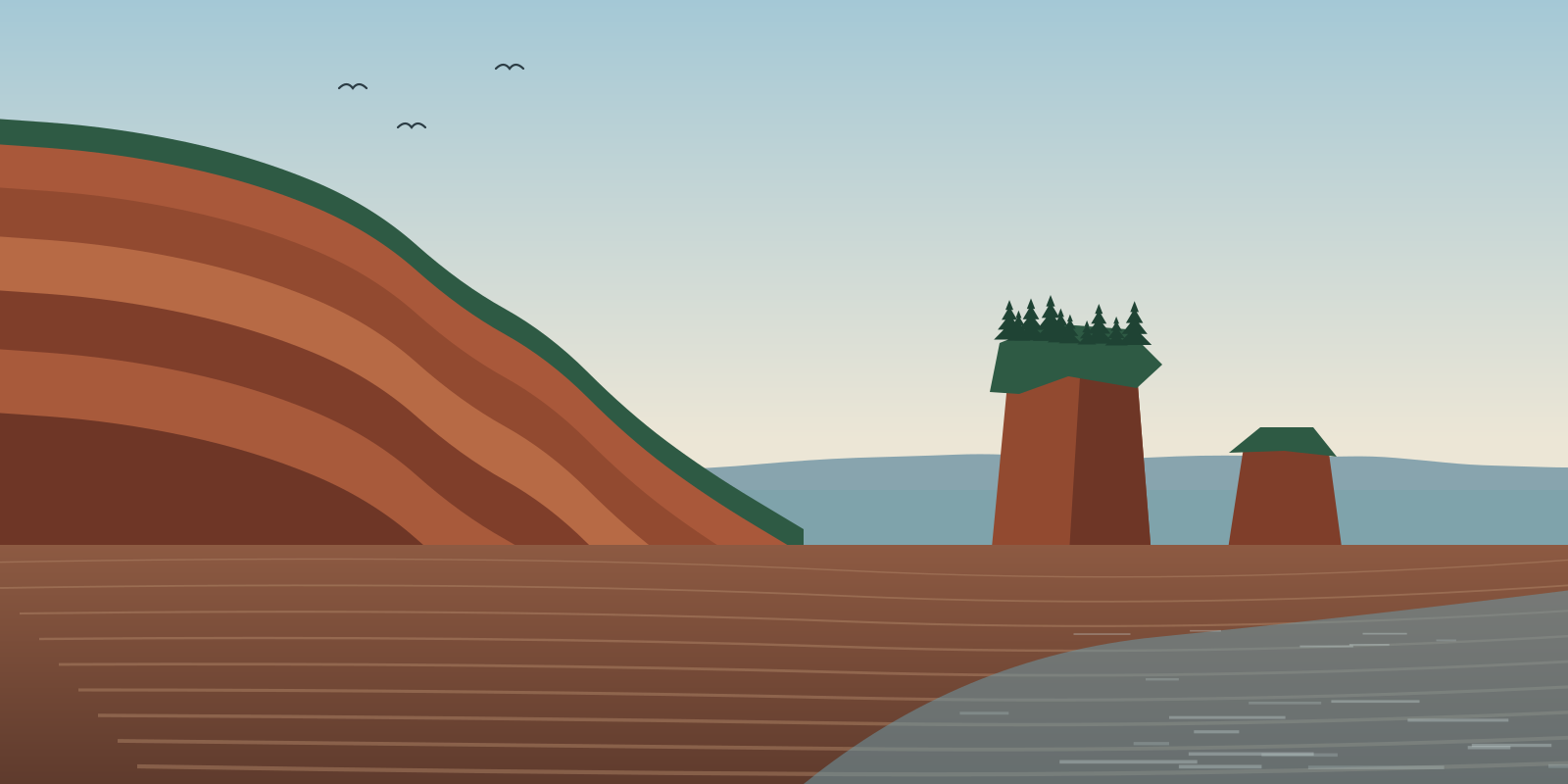
Illustration of red layered sea cliffs and sea stacks exposed at low tide

Bay of Fundy & Annapolis Valley

Some of the highest tides in the world rise and fall along these shores, exposing sea floor and red cliffs twice a day. Inland, the sheltered Annapolis Valley is the province's main orchard and wine-growing district, with Acadian and early colonial history close at hand.

Highlights

  • Burntcoat Head tidal flats
  • Landscape of Grand Pré (UNESCO)
  • Joggins Fossil Cliffs (UNESCO)
  • Cliffs of Fundy UNESCO Global Geopark
  • Wolfville and Valley wineries
  • Annapolis Royal and Port-Royal
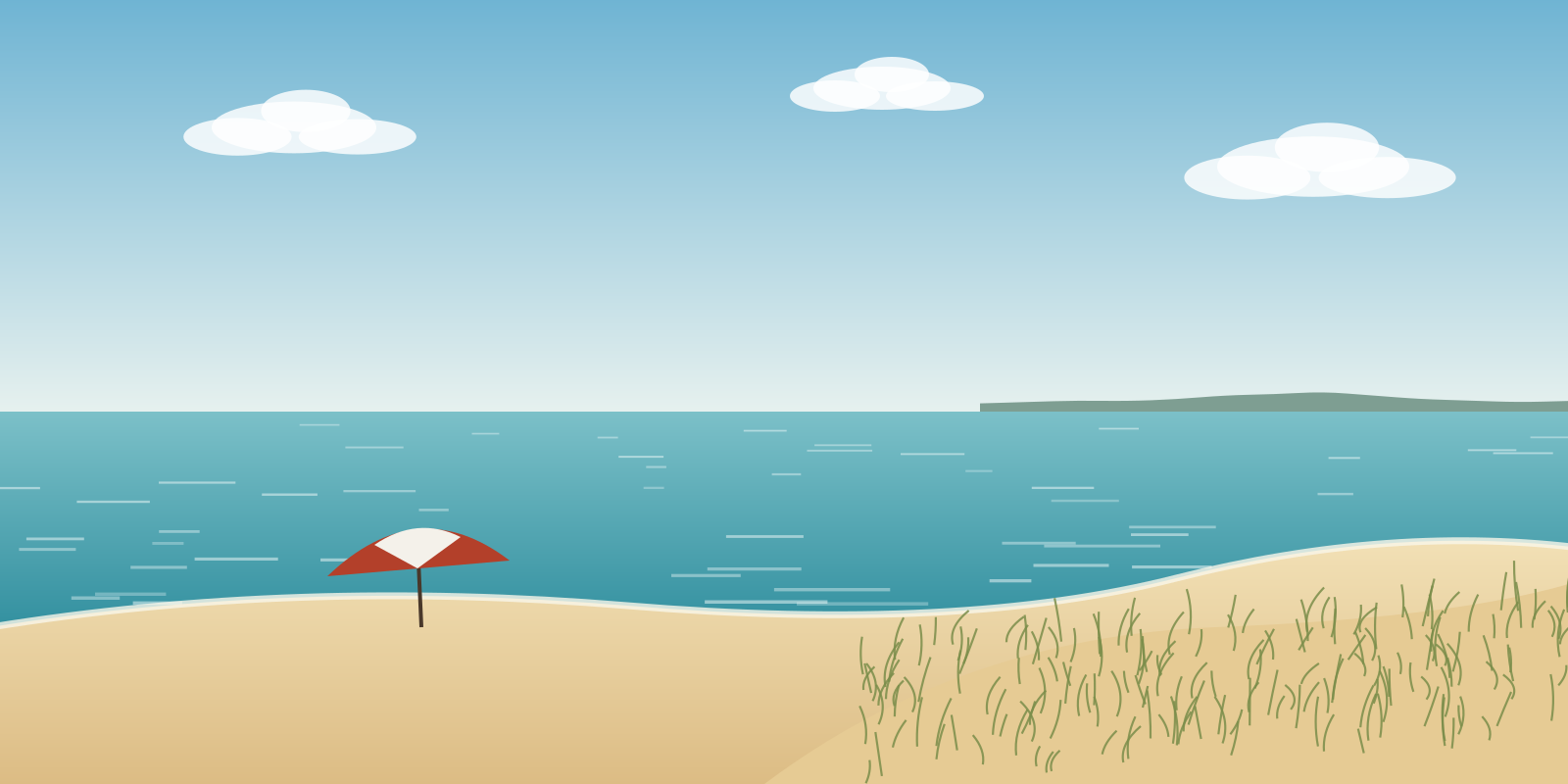
Illustration of a sandy beach with dune grass, calm blue water and a beach umbrella

Northumberland Shore

The north-facing shore along the Northumberland Strait has gently sloping sandy beaches and some of the warmest summer sea water in Atlantic Canada. Scottish heritage runs deep here, from the ship Hector's 1773 landing at Pictou to the Highland Games in Antigonish.

Highlights

  • Melmerby Beach Provincial Park
  • Hector Heritage Quay, Pictou
  • Tatamagouche and Wallace Bay
  • Thinkers Lodge, Pugwash
  • Antigonish Highland Games
  • Ferry from Caribou to Prince Edward Island
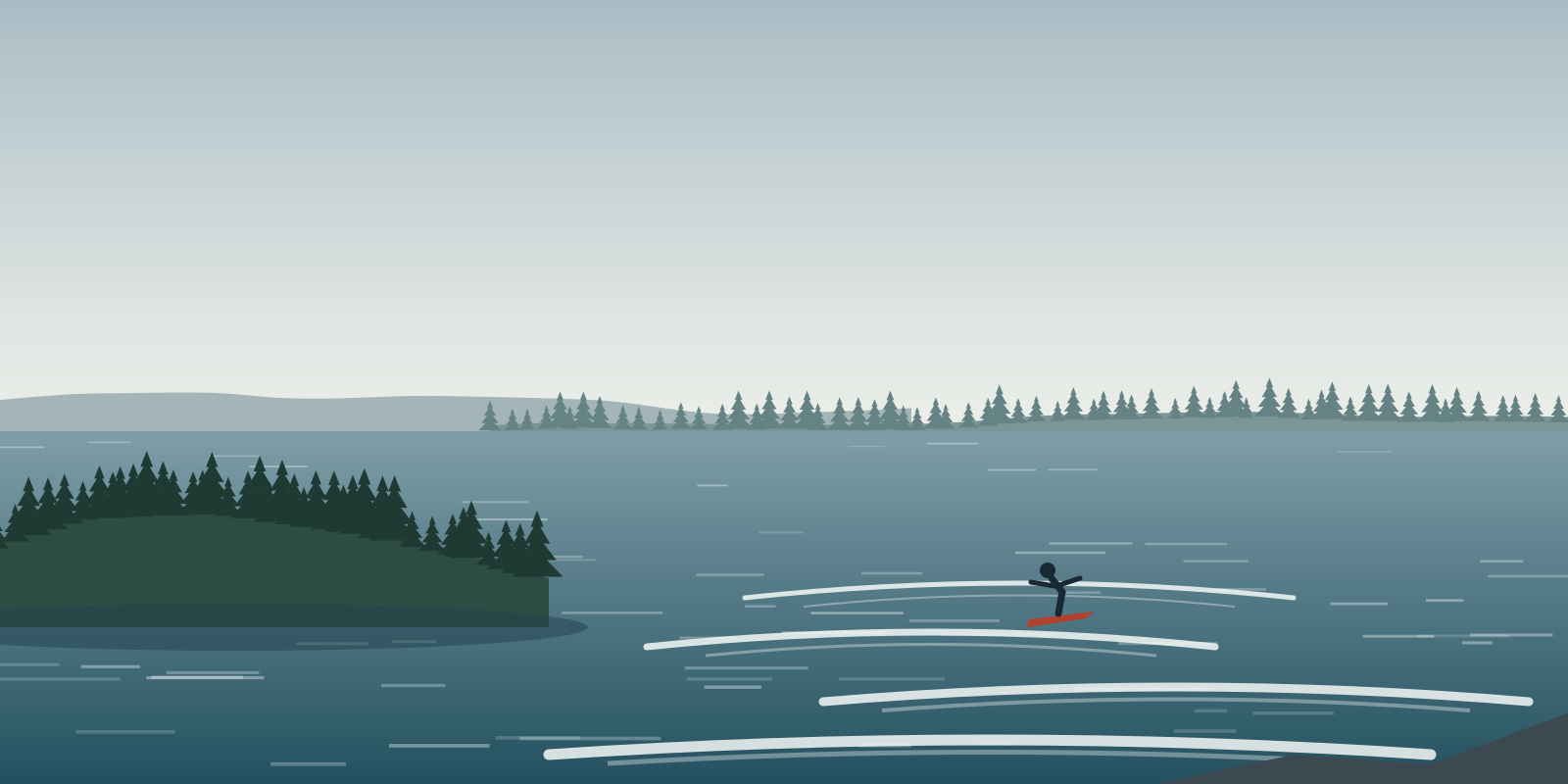
Illustration of spruce-covered islands and surf rolling into a foggy bay

Eastern Shore

East of Halifax, the coast turns quieter and wilder, with long surf beaches, spruce-covered islands and few large towns. It suits paddlers, surfers and anyone looking for solitude within reach of the capital.

Highlights

  • Lawrencetown Beach surfing
  • Martinique Beach Provincial Park
  • Taylor Head Provincial Park
  • The 100 Wild Islands
  • Sherbrooke Village
  • Canso Islands National Historic Site
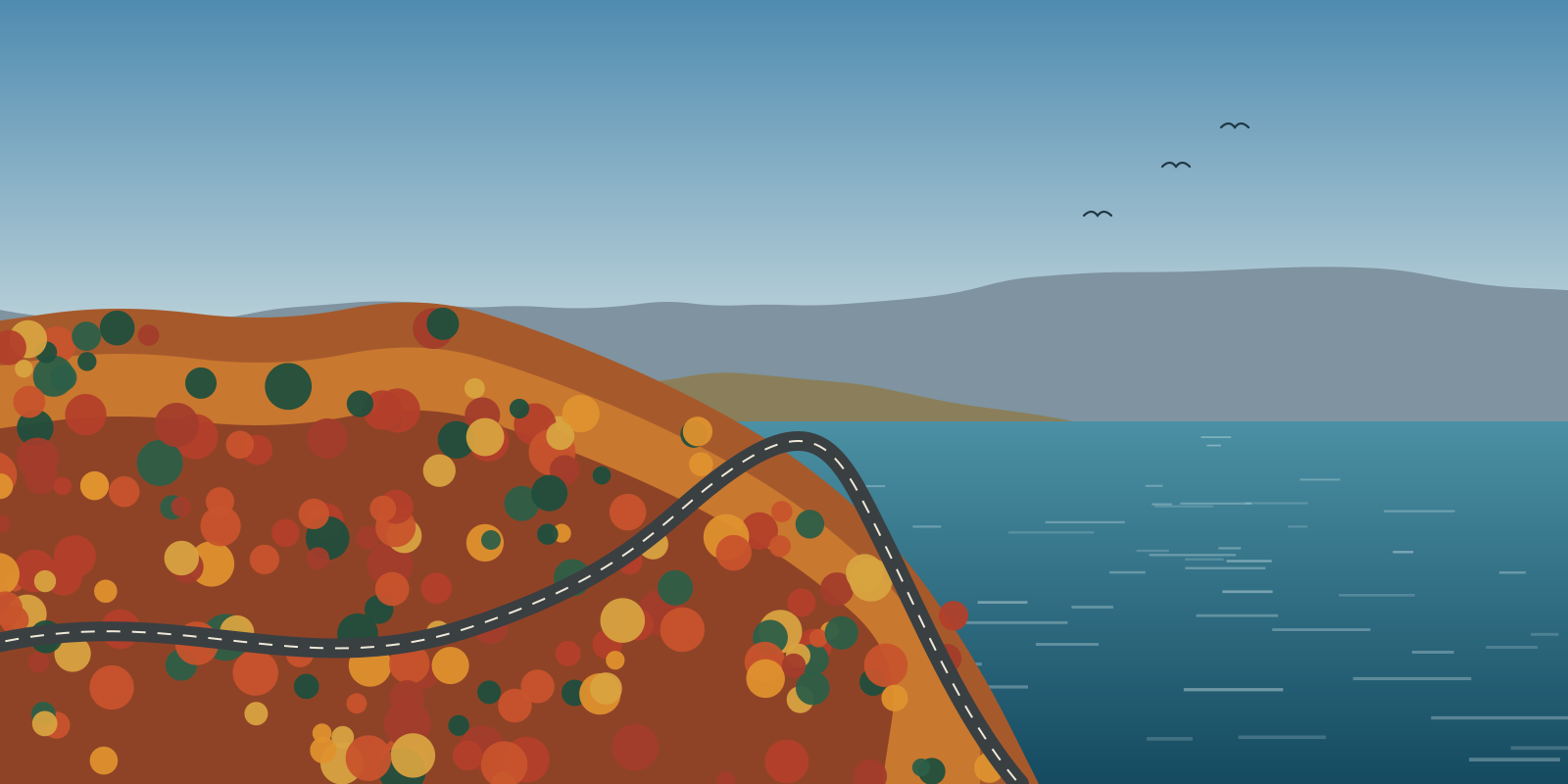
Illustration of highlands in autumn colour with a winding coastal road above the sea

Cape Breton Island

Linked to the mainland by the Canso Causeway, Cape Breton is known for the Cabot Trail, a 298 km loop through highland and coastal scenery. It also has a strong Gaelic and Acadian musical tradition, the vast Bras d'Or Lake and the reconstructed Fortress of Louisbourg.

Highlights

  • The Cabot Trail
  • Cape Breton Highlands National Park
  • Fortress of Louisbourg
  • Bras d'Or Lake UNESCO Biosphere Reserve
  • Alexander Graham Bell Museum, Baddeck
  • Celtic Colours festival each October

Sources and official information

Last reviewed November 4, 2026. Details such as schedules and opening dates change; please confirm with the operator before you travel. External sites are not operated by us.