
Home / Things to Do in Nova Scotia
Things to Do in Nova Scotia
Coast, parks, tides, heritage and festivals: an overview of what the province is best known for.
Coastal drives and lighthouses
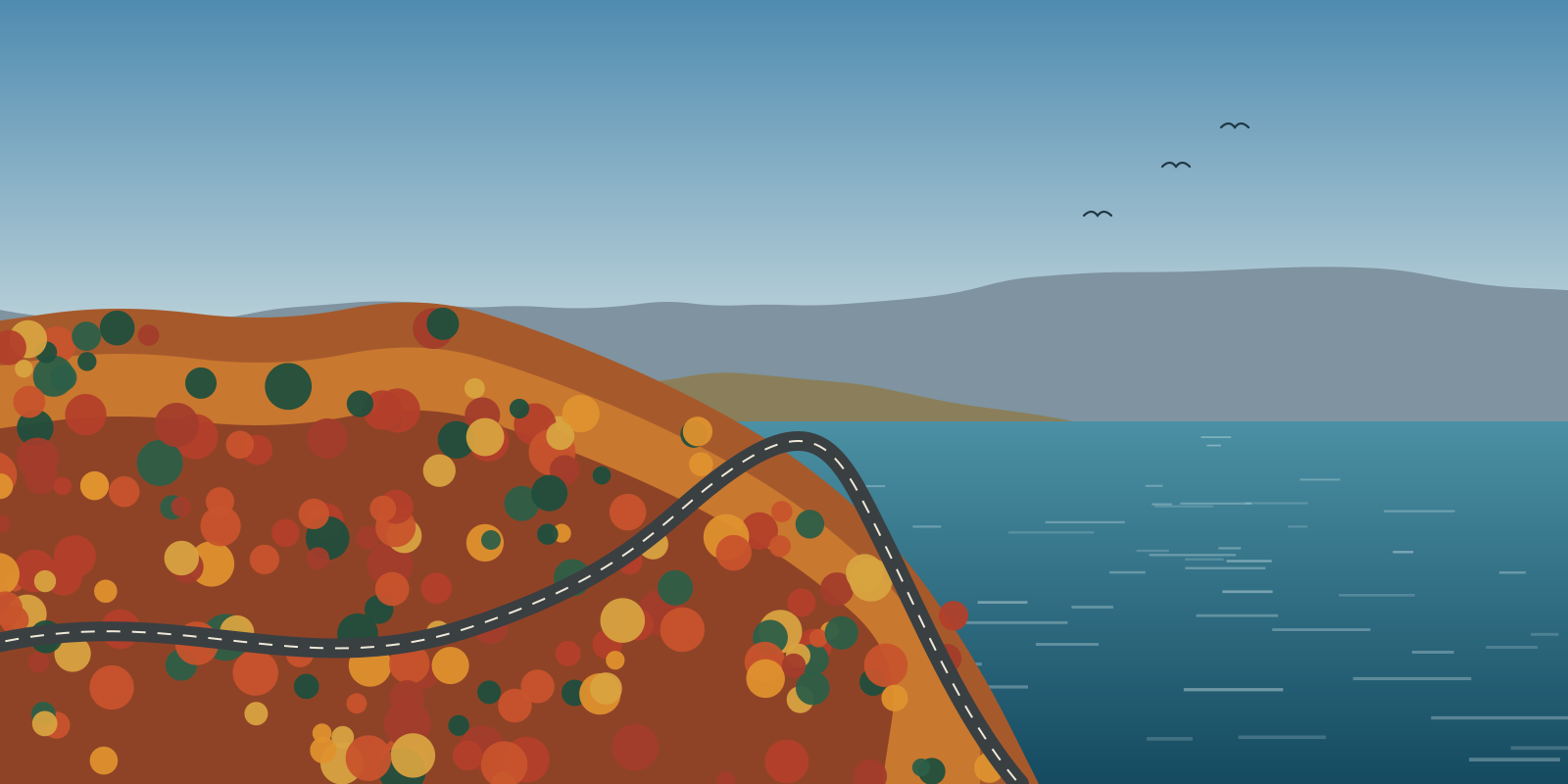
Driving is the classic way to see Nova Scotia. The Cabot Trail on Cape Breton Island is the most famous route, a 298 km loop that climbs over the highlands and drops to the sea. Allow at least two days to stop along the way. On the mainland, the Lighthouse Route follows the South Shore through Peggys Cove, Mahone Bay and Lunenburg.
Lighthouses are a signature of the coast. Peggys Cove is the best known, and Cape Forchu near Yarmouth is another popular stop.
Stay safe on the shore. Waves on exposed Atlantic rocks can be unpredictable. At Peggys Cove and similar places, keep well back from wet black rocks and follow all posted signs.
National and provincial parks
Two national parks protect very different landscapes. Cape Breton Highlands National Park covers highland plateau and rugged coast, with trails such as the Skyline. Kejimkujik National Park and National Historic Site is an inland area of lakes and forest with Mi'kmaw petroglyphs and a designated Dark Sky Preserve, plus a separate seaside section on the South Shore.
Sable Island National Park Reserve, a remote sandbar far offshore known for its wild horses, can only be visited with advance registration through Parks Canada. A network of provincial parks offers beaches, camping and coastal walks.
The Bay of Fundy tides
The Bay of Fundy has some of the highest tides in the world, with a range of up to about 16 m at the head of the Minas Basin. Burntcoat Head is a good place to see the effect, as you can walk on the sea floor at low tide and return hours later to find it under water. Other ways to experience the tides include tidal bore rafting on the Shubenacadie River, and whale watching from Digby Neck and Brier Island in season.
Check tide tables first. Fundy tides come in quickly and can cut off access to beaches. Find out the times for your location before you walk on the flats.
UNESCO-designated places
| Place | Designation | Year |
|---|---|---|
| Old Town Lunenburg | World Heritage Site | 1995 |
| Joggins Fossil Cliffs | World Heritage Site | 2008 |
| Landscape of Grand Pré | World Heritage Site | 2012 |
| Southwest Nova | Biosphere Reserve | 2001 |
| Bras d'Or Lake | Biosphere Reserve | 2011 |
| Cliffs of Fundy | Global Geopark | 2020 |
Museums and living history
- Fortress of Louisbourg: a large-scale reconstruction of part of an 18th-century French fortified town, with costumed interpreters in season.
- Canadian Museum of Immigration at Pier 21, Halifax: the ocean terminal through which about one million immigrants entered Canada between 1928 and 1971.
- Maritime Museum of the Atlantic, Halifax: exhibits on the Titanic and the Halifax Explosion.
- Sherbrooke Village: a restored 19th-century community on the Eastern Shore.
- Alexander Graham Bell National Historic Site, Baddeck: the inventor's work and summer life on Cape Breton.
- Black Loyalist Heritage Centre, Birchtown: the history of Black Loyalists who settled here after the American Revolution.
Festivals and events
Many events run in summer and early autumn. Well-known examples include the Royal Nova Scotia International Tattoo in Halifax, the Antigonish Highland Games, the Annapolis Valley Apple Blossom Festival in spring, and Celtic Colours International Festival, held across Cape Breton in October. Dates change from year to year, so confirm them with the organizers.
Off-season options
Autumn brings foliage to the highlands and the Valley harvest. Winter offers downhill skiing at Ski Wentworth and other small hills, plus cross-country trails, while spring is a quiet time for coastal walks and birdwatching. Some rural attractions and restaurants close outside the main season, so check ahead.
Sources and official information
- Parks Canada
- UNESCO World Heritage List: Old Town Lunenburg
- UNESCO World Heritage List: Joggins Fossil Cliffs
- UNESCO World Heritage List: Landscape of Grand Pré
- Canadian Museum of Immigration at Pier 21
- Nova Scotia tourism information
Last reviewed November 4, 2026. Details such as schedules and opening dates change; please confirm with the operator before you travel. External sites are not operated by us.